Superdrol commands serious respect in experienced bodybuilding and strength athletics communities worldwide....
Latest posts
-
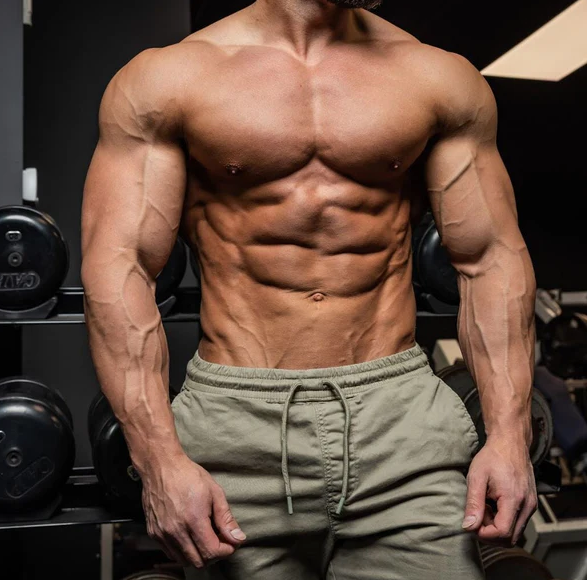 Superdrol Cycle Guide: Results, Risks, and What Nobody Tells YouRead more
 -
 Women and SARMs: What Every Female Athlete Must Know Before CyclingRead more
Selective androgen receptor modulators have attracted growing interest among female athletes and fitness enthusiasts....
-
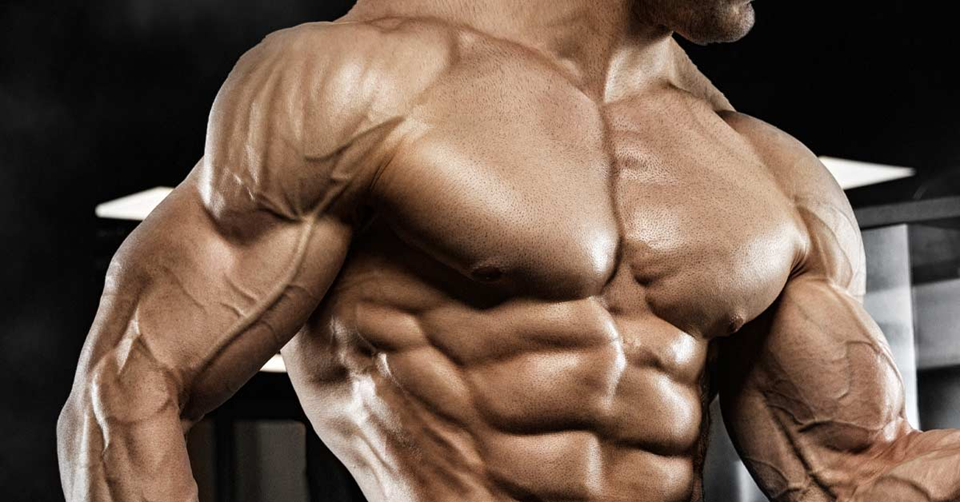 Test Cypionate and Deca: How to Run This Powerful Mass-Building StackRead more
Cycle length typically ranges from 12 to 16 weeks for experienced users. Additionally, testosterone cypionate serves...
-
 Five Aromasin Side Effects Every Athlete Must Know and PreventRead more
Aromasin plays a critical role in managing estrogen levels during and after anabolic compound cycles. Furthermore, it...
-
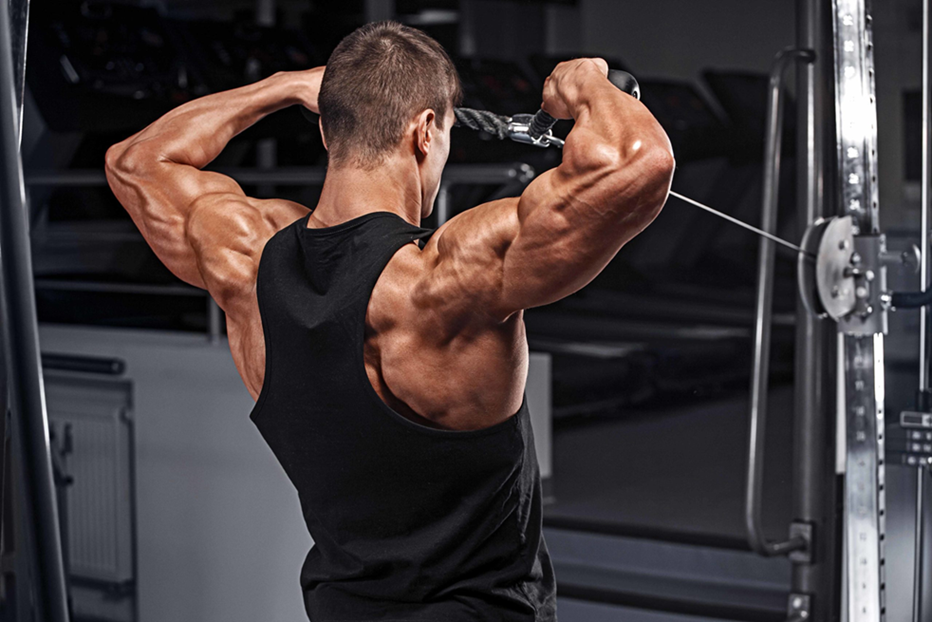 Anavar Body Recomposition: The Truth Behind the Fat Loss ResultsRead more
Anavar consistently earns its reputation as one of the most sought-after compounds in physique sports. Furthermore,...
-
 The Science of Thermogenesis: How Clenbuterol Affects Metabolism and Fat LossRead more
Thermogenesis describes the biological process through which the body generates heat to burn stored energy....
-
 All That You Need to Know About ParabolanRead more
Parabolan stands among the most potent anabolic compounds ever discussed in serious bodybuilding communities....
-
 Test Cypionate and Deca Cycle: What Athletes Need to KnowRead more
Anabolic compounds have long attracted serious athletes seeking accelerated performance and physique gains....
-
 High-Calorie Meal Prep for Serious Bulkers on a Tight ScheduleRead more
Building a bigger, stronger physique demands more than just hard training. Furthermore, it demands a deliberate and...
-
 Periodisation for Bodybuilders: Why Changing Your Programme MattersRead more
Every dedicated bodybuilder eventually hits a frustrating wall. Consequently, progress stalls, motivation drops, and...
Blog categories
Search in blog
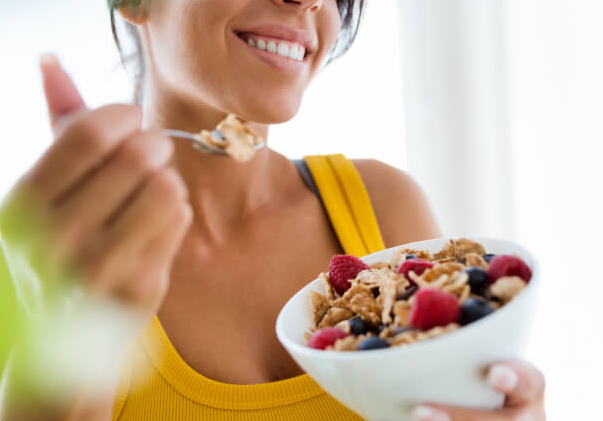
Eating for Hormone Health: Foods That Naturally Support Your Cycle
Your hormones control far more than your menstrual cycle. Consequently, they regulate your mood, energy levels, metabolism, and sleep quality. Furthermore, what you eat directly influences how well your hormones function daily. Moreover, food choices either support or disrupt the delicate hormonal balance your body requires. Additionally, many women experience painful periods, bloating, and mood swings unnecessarily. Furthermore, these symptoms often signal a deeper nutritional imbalance that warrants attention. Additionally, the gut then helps eliminate those processed hormones safely from the body. Therefore, when either of these systems struggles, hormonal imbalances often follow quickly. Furthermore, the relationship between nutrition and reproductive hormones continues to grow stronger with each new study. Moreover, strategically eating throughout your cycle can significantly reduce PMS symptoms. Additionally, specific nutrients support the production of oestrogen and progesterone at key phases of the cycle. Furthermore, understanding these connections empowers women to use food as a powerful daily tool.
The Follicular Phase: Building the Foundation
The follicular phase begins on the first day of your period. Consequently, your body works hard to develop follicles and raise oestrogen levels. Furthermore, eating foods that help your body process oestrogen efficiently matters greatly during this phase. Additionally, sprouted and fermented vegetables like broccoli sprouts and sauerkraut actively support oestrogen metabolism. Moreover, leafy greens provide folate, magnesium, and fibre that feed beneficial gut bacteria. Furthermore, a well-functioning gut prevents processed oestrogen from re-entering the bloodstream. Consequently, prioritising diverse vegetables during this phase sets a strong hormonal foundation for the rest of your cycle.
The Ovulatory Phase: Feeding Peak Energy
Ovulation marks the hormonal peak of your entire cycle. Consequently, your body needs strong antioxidant support to manage the natural rise in oxidative stress. Furthermore, vitamin C-rich foods such as bell peppers, kiwi, and citrus fruits support progesterone production. Additionally, zinc found in pumpkin seeds, oysters, and legumes plays a vital role in healthy ovulation. Moreover, cruciferous vegetables such as broccoli and Brussels sprouts contain indole-3-carbinol, which actively promotes oestrogen detoxification in the liver. Therefore, eating a colourful, antioxidant-dense diet during this phase supports peak hormonal function.
The Luteal Phase: Supporting Progesterone and Mood
The luteal phase presents the greatest nutritional opportunity for symptom management. Furthermore, progesterone rises significantly during this phase and must stay adequately supported. Moreover, magnesium-rich foods like dark leafy greens, dark chocolate, and almonds help ease fatigue and reduce PMS severity. Additionally, vitamin B6 found in salmon, bananas, and walnuts directly supports progesterone production. Furthermore, omega-3 fatty acids from wild-caught salmon, chia seeds, and walnuts powerfully reduce cycle-related inflammation. Moreover, these healthy fats also help stabilise mood and ease painful menstrual cramping. Additionally, serotonin-supporting foods like quinoa and leafy greens further improve emotional balance during the premenstrual window. Consequently, a nutrient-dense luteal phase diet dramatically reduces the most common and disruptive PMS symptoms.
The Gut-Liver Connection: Your Hormonal Detox System
The gut and liver function as your body's primary hormone processing team. Additionally, the gut microbiome then determines whether that oestrogen leaves the body or recirculates. Moreover, a diverse, fibre-rich diet feeds the beneficial bacteria essential for healthy oestrogen clearance. Furthermore, probiotic-rich foods like yoghurt, kefir, kimchi, and miso actively support the gut's hormone-processing capacity. Additionally, turmeric contains curcumin, which enhances liver detoxification pathways and promotes hormonal balance. Consequently, nourishing both the gut and liver consistently keeps the entire hormonal elimination system running efficiently.
Foods to Limit for Better Hormonal Balance
Certain foods actively disrupt the hormonal environment your body works hard to maintain. Specifically, highly processed foods packed with refined sugar promote inflammation and raise androgen levels in women. Furthermore, excess alcohol burdens the liver and weakens its ability to break down circulating oestrogens effectively. Moreover, reducing processed foods and prioritising whole, nutrient-dense alternatives creates a profoundly more balanced hormonal environment overall.
The Bottom Line
Food is one of the most powerful and accessible tools for hormonal health. Furthermore, eating with your cycle rather than against it reduces symptoms and improves your daily energy. Moreover, small, consistent dietary shifts compound into significant hormonal improvements over weeks and months. Therefore, start with one phase, focus on key nutrients, and build from there. Consequently, your cycle will reflect the quality of nourishment you consistently provide your body.
Posted in:
Default category
Related posts
-
 Bodybuilding Trends in the UK for 2025
In the UK, bodybuilding trends evolve rapidly. Currently, enthusiasts chase lean mass gains. Many seek more...Read more
Bodybuilding Trends in the UK for 2025
In the UK, bodybuilding trends evolve rapidly. Currently, enthusiasts chase lean mass gains. Many seek more...Read more -
 The Difference Between Our Cutting and Bulking Stacks
When it comes to bodybuilding, the right stack can transform your results. Many athletes choose stacks designed for...Read more
The Difference Between Our Cutting and Bulking Stacks
When it comes to bodybuilding, the right stack can transform your results. Many athletes choose stacks designed for...Read more -
 The Perfect Bulking Meal Plan for UK Athletes
Building muscle requires more than lifting heavy weights. A structured meal plan fuels the process. UK athletes often...Read more
The Perfect Bulking Meal Plan for UK Athletes
Building muscle requires more than lifting heavy weights. A structured meal plan fuels the process. UK athletes often...Read more -
 How Muscle Recovery Works: The Role of Supplements
Different supplements serve different purposes. Some users find that creatine helps with muscle recovery. It helps...Read more
How Muscle Recovery Works: The Role of Supplements
Different supplements serve different purposes. Some users find that creatine helps with muscle recovery. It helps...Read more -
 The History of Steroids in Sports and Bodybuilding
The world of athletics and physique development possesses a profound, intricate history. Many competitors have...Read more
The History of Steroids in Sports and Bodybuilding
The world of athletics and physique development possesses a profound, intricate history. Many competitors have...Read more
Leave a comment