Superdrol commands serious respect in experienced bodybuilding and strength athletics communities worldwide....
Latest posts
-
 Superdrol Cycle Guide: Results, Risks, and What Nobody Tells YouRead more
 -
 Women and SARMs: What Every Female Athlete Must Know Before CyclingRead more
Selective androgen receptor modulators have attracted growing interest among female athletes and fitness enthusiasts....
-
 Test Cypionate and Deca: How to Run This Powerful Mass-Building StackRead more
Cycle length typically ranges from 12 to 16 weeks for experienced users. Additionally, testosterone cypionate serves...
-
 Five Aromasin Side Effects Every Athlete Must Know and PreventRead more
Aromasin plays a critical role in managing estrogen levels during and after anabolic compound cycles. Furthermore, it...
-
 Anavar Body Recomposition: The Truth Behind the Fat Loss ResultsRead more
Anavar consistently earns its reputation as one of the most sought-after compounds in physique sports. Furthermore,...
-
 The Science of Thermogenesis: How Clenbuterol Affects Metabolism and Fat LossRead more
Thermogenesis describes the biological process through which the body generates heat to burn stored energy....
-
 All That You Need to Know About ParabolanRead more
Parabolan stands among the most potent anabolic compounds ever discussed in serious bodybuilding communities....
-
 Test Cypionate and Deca Cycle: What Athletes Need to KnowRead more
Anabolic compounds have long attracted serious athletes seeking accelerated performance and physique gains....
-
 High-Calorie Meal Prep for Serious Bulkers on a Tight ScheduleRead more
Building a bigger, stronger physique demands more than just hard training. Furthermore, it demands a deliberate and...
-
 Periodisation for Bodybuilders: Why Changing Your Programme MattersRead more
Every dedicated bodybuilder eventually hits a frustrating wall. Consequently, progress stalls, motivation drops, and...
Blog categories
Search in blog
Injury Prevention 101: Simple Steps to Stay Safe in the Gym
Introduction
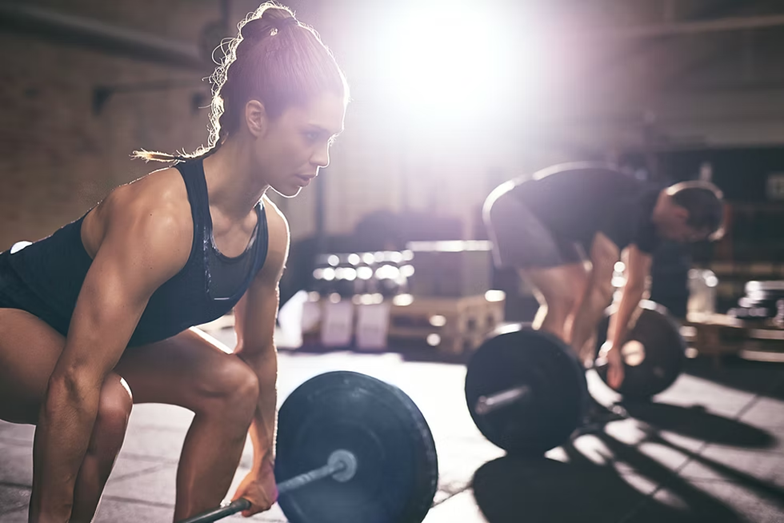
When you walk into the gym, you focus on results, not risk. However, every rep and every step either protects your body or pushes it closer to injury. Fortunately, you can reduce most gym mishaps with a structured approach and a bit of discipline. When you warm up properly, your muscles and joints move more freely and better tolerate stress. As you gradually increase the load, you allow your tissues to adapt rather than being overloaded. When you prioritise good technique, you protect your spine, shoulders, and knees under heavy weight. Likewise, you further reduce your risk by avoiding ego-lifting and respecting fatigue. Because recovery matters, you also need consistent sleep, nutrition, and post‑workout care. In addition, you should remember that shortcuts like anabolic drugs can boost strength faster than your tendons can handle, which increases strain and rupture risk. While you cannot eliminate risk completely, you can make injuries rare instead of routine. As you adopt safer habits, your confidence usually grows because you trust your body more. Moreover, steady, pain‑free training delivers better long‑term results than sporadic, all‑out sessions. Ultimately, treating safety as a skill builds a stronger, more resilient physique that lasts.
Step 1: Warm Up With Purpose
First, start every session with 5–10 minutes of light cardio and dynamic mobility that match your workout. This targeted warm‑up boosts blood flow, improves flexibility, and can lessen muscle soreness after training.
Then add a couple of ramp-up sets for your main lifts using lighter loads and a controlled tempo. These preparatory sets help you groove your pattern and spot tightness before the weight gets heavy.
Step 2: Respect Technique And Load
Next, choose weights that let you maintain solid alignment and smooth control on every rep. Poor form under heavy load often leads to strains, joint irritation, and overuse problems.
Instead of jumping to maximal loads, increase volume or intensity slowly over weeks. Research on training progression suggests that gradual changes support adaptation and reduce excessive tissue stress.
Step 3: Use Equipment And Spotters Wisely
Whenever you lift heavy on squats, bench press, or overhead press, set safety pins or ask for a spot. This simple step protects you if a set stalls and prevents dangerous failed reps.
Additionally, select shoes that suit your activity and replace worn‑out pairs regularly. Proper footwear improves stability, reduces slips, and helps lower the impact on your joints.
Step 4: Recover Like An Athlete
After training, include a brief cool‑down with easy movement and stretching for the muscles you used. These strategies may reduce stiffness, support circulation, and improve perceived recovery.
Beyond the gym, prioritise sleep, balanced nutrition, and stress management to keep your body resilient. Consistent recovery habits make you less vulnerable to fatigue‑related errors and overuse injuries.
Step 5: Avoid Risky Shortcuts
Finally, stay cautious with any performance‑enhancing drugs, especially unsupervised anabolic substances. These compounds can rapidly increase strength and muscle, but they also stiffen tendons and heighten the risk of serious tears and cardiovascular problems.
If you ever face pressure to “catch up” with chemically enhanced lifters, focus instead on sustainable training, sound technique, and long‑term health. Injury‑free consistency will always beat risky shortcuts over the course of your lifting life.
Posted in:
Default category
Related posts
-
 Bodybuilding Trends in the UK for 2025
In the UK, bodybuilding trends evolve rapidly. Currently, enthusiasts chase lean mass gains. Many seek more...Read more
Bodybuilding Trends in the UK for 2025
In the UK, bodybuilding trends evolve rapidly. Currently, enthusiasts chase lean mass gains. Many seek more...Read more -
 The Difference Between Our Cutting and Bulking Stacks
When it comes to bodybuilding, the right stack can transform your results. Many athletes choose stacks designed for...Read more
The Difference Between Our Cutting and Bulking Stacks
When it comes to bodybuilding, the right stack can transform your results. Many athletes choose stacks designed for...Read more -
 The Perfect Bulking Meal Plan for UK Athletes
Building muscle requires more than lifting heavy weights. A structured meal plan fuels the process. UK athletes often...Read more
The Perfect Bulking Meal Plan for UK Athletes
Building muscle requires more than lifting heavy weights. A structured meal plan fuels the process. UK athletes often...Read more -
 How Muscle Recovery Works: The Role of Supplements
Different supplements serve different purposes. Some users find that creatine helps with muscle recovery. It helps...Read more
How Muscle Recovery Works: The Role of Supplements
Different supplements serve different purposes. Some users find that creatine helps with muscle recovery. It helps...Read more -
 The History of Steroids in Sports and Bodybuilding
The world of athletics and physique development possesses a profound, intricate history. Many competitors have...Read more
The History of Steroids in Sports and Bodybuilding
The world of athletics and physique development possesses a profound, intricate history. Many competitors have...Read more
Leave a comment