Superdrol commands serious respect in experienced bodybuilding and strength athletics communities worldwide....
Latest posts
-
 Superdrol Cycle Guide: Results, Risks, and What Nobody Tells YouRead more
 -
 Women and SARMs: What Every Female Athlete Must Know Before CyclingRead more
Selective androgen receptor modulators have attracted growing interest among female athletes and fitness enthusiasts....
-
 Test Cypionate and Deca: How to Run This Powerful Mass-Building StackRead more
Cycle length typically ranges from 12 to 16 weeks for experienced users. Additionally, testosterone cypionate serves...
-
 Five Aromasin Side Effects Every Athlete Must Know and PreventRead more
Aromasin plays a critical role in managing estrogen levels during and after anabolic compound cycles. Furthermore, it...
-
 Anavar Body Recomposition: The Truth Behind the Fat Loss ResultsRead more
Anavar consistently earns its reputation as one of the most sought-after compounds in physique sports. Furthermore,...
-
 The Science of Thermogenesis: How Clenbuterol Affects Metabolism and Fat LossRead more
Thermogenesis describes the biological process through which the body generates heat to burn stored energy....
-
 All That You Need to Know About ParabolanRead more
Parabolan stands among the most potent anabolic compounds ever discussed in serious bodybuilding communities....
-
 Test Cypionate and Deca Cycle: What Athletes Need to KnowRead more
Anabolic compounds have long attracted serious athletes seeking accelerated performance and physique gains....
-
 High-Calorie Meal Prep for Serious Bulkers on a Tight ScheduleRead more
Building a bigger, stronger physique demands more than just hard training. Furthermore, it demands a deliberate and...
-
 Periodisation for Bodybuilders: Why Changing Your Programme MattersRead more
Every dedicated bodybuilder eventually hits a frustrating wall. Consequently, progress stalls, motivation drops, and...
Blog categories
Search in blog
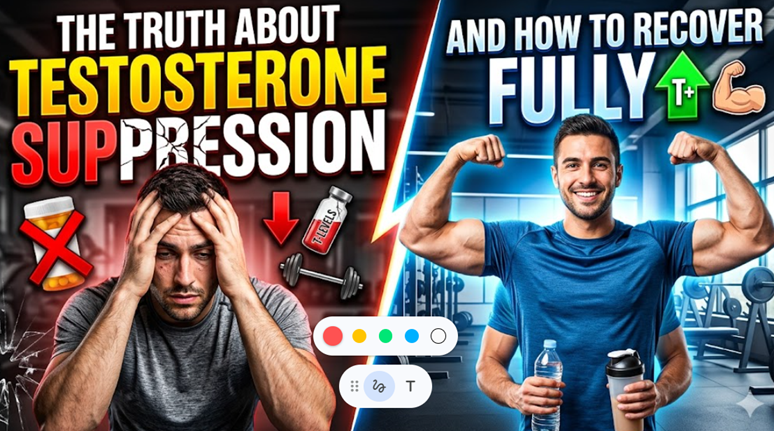
The Truth About Testosterone Suppression and How to Recover Fully
Testosterone suppression is a serious concern for every athlete using anabolic compounds. Many bodybuilders experience this condition but never fully understand its impact. Furthermore, suppression affects far more than just your muscle-building ability. It significantly disrupts your mood, energy, libido, and overall hormonal balance. Consequently, ignoring this issue causes long-term damage to your endocrine system. Many experienced lifters on Reddit openly share their suppression struggles and recovery journeys. Moreover, community discussions reveal that suppression severity varies greatly between individuals. Some athletes recover naturally within weeks, while others struggle for many months. Additionally, the type of compound used directly determines the severity of the suppression. Stronger anabolic substances cause deeper and longer-lasting hormonal disruption. Therefore, understanding suppression fully helps you plan a smarter and safer recovery. Medical sources consistently confirm that external testosterone signals your body to stop producing its own. Consequently, your natural hormonal production completely shuts down during a cycle. Furthermore, without proper recovery support, your body may struggle to restart production on its own. So, acting quickly and strategically after a cycle becomes essential for full hormonal restoration.
What Actually Happens During Testosterone Suppression
First, your body detects external anabolic hormones entering your system regularly. Consequently, your hypothalamus immediately reduces its signaling to the pituitary gland. Therefore, your pituitary stops releasing luteinizing hormone and follicle-stimulating hormone. Moreover, without these signals, your testes cease natural testosterone production entirely. Additionally, this shutdown happens surprisingly quickly after beginning a compound cycle.
Common Symptoms You Should Never Ignore
Furthermore, suppression produces clear and noticeable physical and emotional symptoms. Many athletes experience persistent fatigue and a dramatic reduction in training motivation. Moreover, libido drops significantly, causing frustration and relationship difficulties for many users. Additionally, mood swings, depression, and brain fog appear frequently during suppression periods. Muscle loss also accelerates quickly without adequate testosterone levels supporting retention. Therefore, recognizing these warning signs early allows you to respond more quickly and effectively.
How Post Cycle Therapy Supports Full Recovery
Fortunately, Post Cycle Therapy (PCT) provides a structured approach to hormonal restoration. PCT protocols use specific compounds that stimulate your body's natural hormonal signaling pathways. Moreover, these compounds actively encourage your pituitary gland to resume normal function quickly. Selective Estrogen Receptor Modulators (SERMs) remain the most widely recommended PCT agents. Furthermore, SERMs block estrogen receptors, which naturally triggers increased gonadotropin release. Consequently, your testes receive the signals they need to restart testosterone production effectively. Most fitness experts recommend starting PCT within days of completing your cycle.
Nutrition and Lifestyle Choices That Accelerate Recovery
Additionally, your daily lifestyle choices play a significant role in the speed of hormonal recovery. Consuming zinc-rich foods actively supports testosterone synthesis at a cellular level. Moreover, healthy fats from sources such as avocados and nuts support efficient hormone production. Furthermore, reducing alcohol intake significantly improves your liver's ability to regulate hormones. Quality sleep also dramatically boosts natural testosterone restoration during recovery phases. Therefore, prioritizing 7 to 9 hours of uninterrupted sleep can significantly accelerate your hormonal rebound.
Training Smart During Recovery
Moreover, continuing to train during PCT helps maintain muscle mass and mental focus. However, reducing overall training intensity prevents excessive cortisol production during this phase. Furthermore, elevated cortisol actively suppresses testosterone recovery and delays full hormonal restoration. Therefore, focusing on moderate-volume compound movements delivers the best recovery results. Consistent training also reinforces discipline and keeps your mindset strong throughout recovery.
Final Thoughts
Ultimately, testosterone suppression demands serious attention and a well-structured recovery strategy. However, athletes who follow proper PCT protocols consistently achieve full hormonal restoration successfully. Moreover, supporting your recovery with smart nutrition, quality sleep, and moderate training significantly accelerates results. Therefore, never underestimate suppression or skip your post-cycle recovery plan entirely. Your long-term health and performance absolutely depend on recovering completely and correctly.
Posted in:
Default category
Related posts
-
 Bodybuilding Trends in the UK for 2025
In the UK, bodybuilding trends evolve rapidly. Currently, enthusiasts chase lean mass gains. Many seek more...Read more
Bodybuilding Trends in the UK for 2025
In the UK, bodybuilding trends evolve rapidly. Currently, enthusiasts chase lean mass gains. Many seek more...Read more -
 The Difference Between Our Cutting and Bulking Stacks
When it comes to bodybuilding, the right stack can transform your results. Many athletes choose stacks designed for...Read more
The Difference Between Our Cutting and Bulking Stacks
When it comes to bodybuilding, the right stack can transform your results. Many athletes choose stacks designed for...Read more -
 The Perfect Bulking Meal Plan for UK Athletes
Building muscle requires more than lifting heavy weights. A structured meal plan fuels the process. UK athletes often...Read more
The Perfect Bulking Meal Plan for UK Athletes
Building muscle requires more than lifting heavy weights. A structured meal plan fuels the process. UK athletes often...Read more -
 How Muscle Recovery Works: The Role of Supplements
Different supplements serve different purposes. Some users find that creatine helps with muscle recovery. It helps...Read more
How Muscle Recovery Works: The Role of Supplements
Different supplements serve different purposes. Some users find that creatine helps with muscle recovery. It helps...Read more -
 The History of Steroids in Sports and Bodybuilding
The world of athletics and physique development possesses a profound, intricate history. Many competitors have...Read more
The History of Steroids in Sports and Bodybuilding
The world of athletics and physique development possesses a profound, intricate history. Many competitors have...Read more
Leave a comment