Superdrol commands serious respect in experienced bodybuilding and strength athletics communities worldwide....
Latest posts
-
 Superdrol Cycle Guide: Results, Risks, and What Nobody Tells YouRead more
 -
 Women and SARMs: What Every Female Athlete Must Know Before CyclingRead more
Selective androgen receptor modulators have attracted growing interest among female athletes and fitness enthusiasts....
-
 Test Cypionate and Deca: How to Run This Powerful Mass-Building StackRead more
Cycle length typically ranges from 12 to 16 weeks for experienced users. Additionally, testosterone cypionate serves...
-
 Five Aromasin Side Effects Every Athlete Must Know and PreventRead more
Aromasin plays a critical role in managing estrogen levels during and after anabolic compound cycles. Furthermore, it...
-
 Anavar Body Recomposition: The Truth Behind the Fat Loss ResultsRead more
Anavar consistently earns its reputation as one of the most sought-after compounds in physique sports. Furthermore,...
-
 The Science of Thermogenesis: How Clenbuterol Affects Metabolism and Fat LossRead more
Thermogenesis describes the biological process through which the body generates heat to burn stored energy....
-
 All That You Need to Know About ParabolanRead more
Parabolan stands among the most potent anabolic compounds ever discussed in serious bodybuilding communities....
-
 Test Cypionate and Deca Cycle: What Athletes Need to KnowRead more
Anabolic compounds have long attracted serious athletes seeking accelerated performance and physique gains....
-
 High-Calorie Meal Prep for Serious Bulkers on a Tight ScheduleRead more
Building a bigger, stronger physique demands more than just hard training. Furthermore, it demands a deliberate and...
-
 Periodisation for Bodybuilders: Why Changing Your Programme MattersRead more
Every dedicated bodybuilder eventually hits a frustrating wall. Consequently, progress stalls, motivation drops, and...
Blog categories
Search in blog
Prohormone Conversion: What Your Body Actually Does with Supplement Compounds
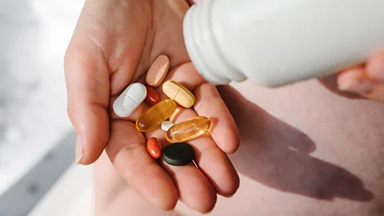
Prohormones are among the most misunderstood categories in the supplement industry. Many athletes consume these compounds without truly understanding what happens inside their bodies. Furthermore, the conversion process determines how effective and how risky these supplements actually become. Your body treats prohormones as inactive precursor molecules upon initial ingestion. Consequently, these compounds must undergo enzymatic conversion before producing any anabolic effects whatsoever. Moreover, this conversion process primarily occurs within your liver and other metabolic tissues. Many experienced athletes on Reddit openly discuss how conversion efficiency varies dramatically between individuals. Additionally, factors like age, liver health, and genetics directly influence your personal conversion rate. Therefore, two athletes using identical doses can experience completely different results and side effects. Furthermore, understanding this process helps you make smarter and safer supplementation decisions consistently. Medical and health sources confirm that these compounds place considerable stress on your liver during conversion. Consequently, supporting your liver health before, during, and after a cycle becomes absolutely critical. Moreover, the converted active compounds then interact with androgen receptors throughout your entire body. Additionally, this receptor activation triggers the muscle-building and strength-enhancing effects athletes actively seek. Therefore, knowing this process empowers you to optimize your supplement approach responsibly and effectively.
The Conversion Process Explained Simply
First, you swallow a prohormone compound, and it enters your digestive system immediately. Consequently, your bloodstream absorbs the inactive compound and transports it directly to your liver. Furthermore, specific enzymes within your liver then convert the inactive molecule into an active hormone. Moreover, this newly activated compound enters circulation and binds to androgen receptors rapidly. Therefore, the entire conversion chain must function efficiently for you to experience meaningful results.
Factors That Affect Your Conversion Efficiency
Additionally, several key factors directly determine how well your body converts these compounds. Your liver enzyme activity plays the single most important role in conversion success. Moreover, poor liver health significantly reduces conversion efficiency and increases the accumulation of harmful metabolites. Furthermore, age affects enzyme production, meaning older athletes often experience slower and less complete conversion. Additionally, alcohol consumption and certain medications actively compete with prohormone conversion enzymes. Therefore, optimizing your liver health before starting any prohormone cycle becomes essential.
Benefits Athletes Experience After Successful Conversion
Furthermore, successful conversion delivers several highly desirable performance and physique benefits. Athletes consistently report significant increases in lean muscle mass during active prohormone cycles. Moreover, strength levels rise considerably, allowing heavier training loads and faster progressive overload. Additionally, recovery between training sessions improves significantly due to enhanced protein synthesis. Furthermore, some converted compounds also reduce body fat while simultaneously preserving hard-earned muscle tissue. Therefore, properly converted prohormones deliver genuinely impressive results for serious and dedicated athletes.
Side Effects Linked to the Conversion Process
However, the conversion process also generates unwanted byproducts that cause concerning side effects. Liver strain remains the most frequently reported and most medically significant concern. Moreover, some prohormones convert partially into estrogen, causing water retention and hormonal imbalance. Additionally, natural testosterone production decreases when your body detects elevated hormone levels. Furthermore, acne, hair thinning, and elevated blood pressure affect many users during active cycles. Therefore, monitoring your health closely throughout any prohormone cycle remains absolutely non-negotiable.
Supporting Your Body Through the Conversion Process
Fortunately, several practical strategies help your body manage prohormone conversion more safely. Using a quality liver support supplement actively protects your hepatic tissue during the entire cycle. Moreover, staying well hydrated helps your kidneys flush metabolic waste products efficiently. Additionally, consuming antioxidant-rich foods helps reduce oxidative stress associated with increased metabolic activity. Furthermore, scheduling regular blood work allows you to monitor liver enzymes and hormonal markers accurately. Therefore, combining smart supplementation with consistent health monitoring significantly reduces your overall risk profile.
Final Thoughts
Ultimately, prohormone conversion is a complex and highly individual biological process. However, athletes who understand this process consistently achieve better results and experience fewer complications. Moreover, protecting your liver, monitoring side effects, and planning proper PCT delivers the safest possible experience. Therefore, never approach prohormone supplementation casually or without thorough preparation and knowledge. Your body deserves respect, and smart supplementation always produces the most sustainable long-term gains.
Posted in:
Default category
Related posts
-
 Bodybuilding Trends in the UK for 2025
In the UK, bodybuilding trends evolve rapidly. Currently, enthusiasts chase lean mass gains. Many seek more...Read more
Bodybuilding Trends in the UK for 2025
In the UK, bodybuilding trends evolve rapidly. Currently, enthusiasts chase lean mass gains. Many seek more...Read more -
 The Difference Between Our Cutting and Bulking Stacks
When it comes to bodybuilding, the right stack can transform your results. Many athletes choose stacks designed for...Read more
The Difference Between Our Cutting and Bulking Stacks
When it comes to bodybuilding, the right stack can transform your results. Many athletes choose stacks designed for...Read more -
 The Perfect Bulking Meal Plan for UK Athletes
Building muscle requires more than lifting heavy weights. A structured meal plan fuels the process. UK athletes often...Read more
The Perfect Bulking Meal Plan for UK Athletes
Building muscle requires more than lifting heavy weights. A structured meal plan fuels the process. UK athletes often...Read more -
 How Muscle Recovery Works: The Role of Supplements
Different supplements serve different purposes. Some users find that creatine helps with muscle recovery. It helps...Read more
How Muscle Recovery Works: The Role of Supplements
Different supplements serve different purposes. Some users find that creatine helps with muscle recovery. It helps...Read more -
 The History of Steroids in Sports and Bodybuilding
The world of athletics and physique development possesses a profound, intricate history. Many competitors have...Read more
The History of Steroids in Sports and Bodybuilding
The world of athletics and physique development possesses a profound, intricate history. Many competitors have...Read more
Leave a comment