Superdrol commands serious respect in experienced bodybuilding and strength athletics communities worldwide....
Latest posts
-
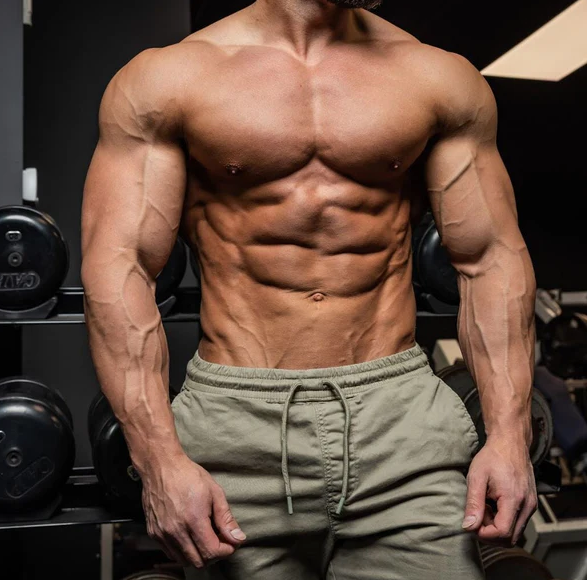 Superdrol Cycle Guide: Results, Risks, and What Nobody Tells YouRead more
 -
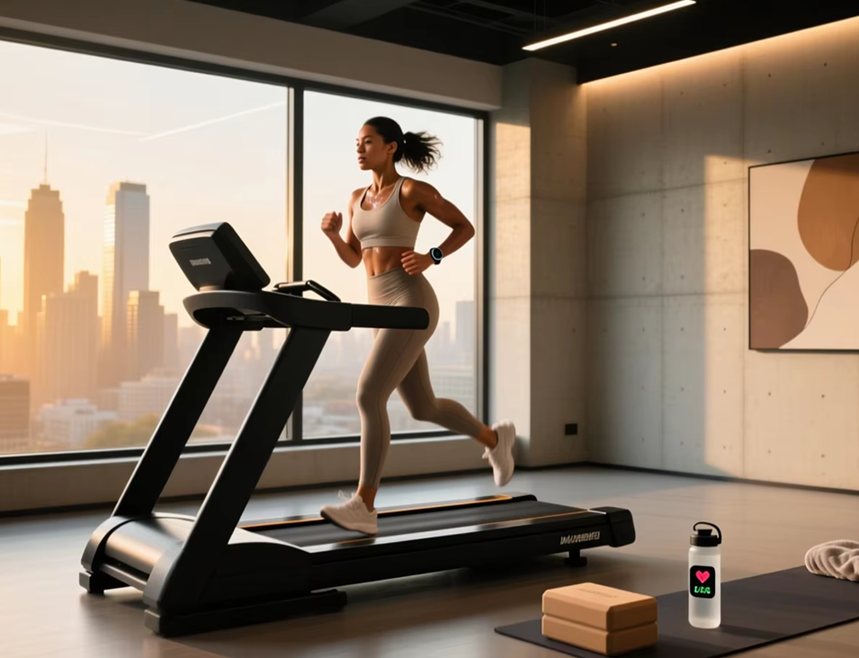 Women and SARMs: What Every Female Athlete Must Know Before CyclingRead more
Selective androgen receptor modulators have attracted growing interest among female athletes and fitness enthusiasts....
-
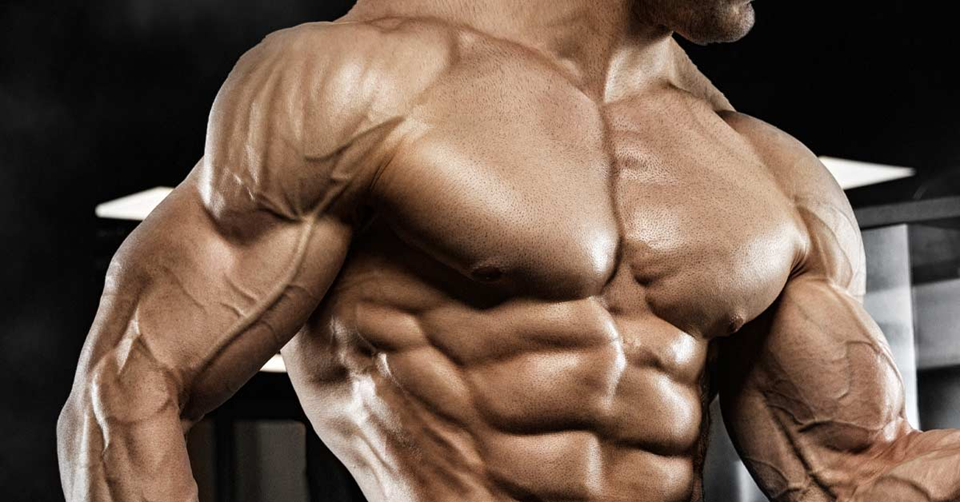 Test Cypionate and Deca: How to Run This Powerful Mass-Building StackRead more
Cycle length typically ranges from 12 to 16 weeks for experienced users. Additionally, testosterone cypionate serves...
-
 Five Aromasin Side Effects Every Athlete Must Know and PreventRead more
Aromasin plays a critical role in managing estrogen levels during and after anabolic compound cycles. Furthermore, it...
-
 Anavar Body Recomposition: The Truth Behind the Fat Loss ResultsRead more
Anavar consistently earns its reputation as one of the most sought-after compounds in physique sports. Furthermore,...
-
 The Science of Thermogenesis: How Clenbuterol Affects Metabolism and Fat LossRead more
Thermogenesis describes the biological process through which the body generates heat to burn stored energy....
-
 All That You Need to Know About ParabolanRead more
Parabolan stands among the most potent anabolic compounds ever discussed in serious bodybuilding communities....
-
 Test Cypionate and Deca Cycle: What Athletes Need to KnowRead more
Anabolic compounds have long attracted serious athletes seeking accelerated performance and physique gains....
-
 High-Calorie Meal Prep for Serious Bulkers on a Tight ScheduleRead more
Building a bigger, stronger physique demands more than just hard training. Furthermore, it demands a deliberate and...
-
 Periodisation for Bodybuilders: Why Changing Your Programme MattersRead more
Every dedicated bodybuilder eventually hits a frustrating wall. Consequently, progress stalls, motivation drops, and...
Blog categories
Search in blog
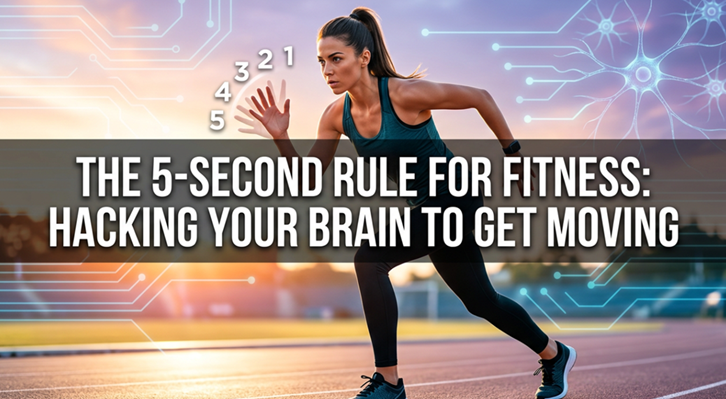
The 5‑Second Rule for Fitness: Hacking Your Brain to Get Moving
Most people know they should move more, yet they still sit. The gap between intent and action is not a personality flaw; it is a brain habit. Social communities such as Reddit regularly show how people struggle to start workouts, even when they feel motivated at night. By the morning, the brain shifts to excuses, comfort, and delay. Science‑backed psychology explains that the brain prefers to conserve energy rather than seek effort. When a desire to exercise appears, the mind quickly generates reasons to stop. This pattern is why many New Year plans fail by February. The trick is not greater willpower; it is smarter timing. The popular “5‑second rule” teaches that you must act within five seconds of feeling that urge. Count backward from five to one, then move immediately. Doing this repeatedly rewires your instinct from delay to action. Over time, this simple behavior becomes a non‑negotiable habit.
Why the brain resists movement
Your nervous system is built to protect you, not to make you fit. When you think about exercising, your brain often sees it as uncomfortable or threatening. It then floods you with thoughts like “I’m tired,” “I’m busy,” or “I’ll do it later.” Cognitive tools such as counting down disrupt those default scripts. Once you count and move, the brain must adjust to your new behavior instead of your old excuses.
How the 5‑second rule works
When you feel the impulse to exercise, speak your own rule aloud: “Five, four, three, two, one—go.” Do not let yourself negotiate. Stand up, put on your shoes, or step outside. Research on habit formation shows that brief, immediate actions create stronger neural loops than long, delayed plans. Momentum rises quickly once your body starts. Transition words such as “next,” “then,” and “afterward” help you chain movements into routines. For example, “Put on shoes, then walk outside, then walk for five minutes.”
Building a fitness habit
Start with micro‑sessions of five to ten minutes. Many fitness coaches recommend committing to only five minutes of movement at first. Those first minutes build confidence and chemical rewards such as dopamine and endorphins. Once you finish, you often choose to continue longer. Over time, your identity shifts from “I hate exercise” to “I am someone who moves regularly.”
Using community wisdom
Online forums provide honest examples of how people bypass procrastination. Common tips include laying out clothes the night before, using a backup alarm away from the bed, or meeting a friend at a fixed time.
Health benefits of regular movement
Consistent physical activity improves mood, sleep, and metabolic health. Studies link routine exercise to reduced anxiety, better focus, and a lower risk of chronic disease. Even moderate movement, such as brisk walking, supports heart health and joint function.
When to seek professional help
If you experience sharp pain, shortness of breath, or dizziness during activity, stop and consult a healthcare professional. Likewise, if you consider performance‑enhancing substances, always review medical guidance and legal regulations. Steroid‑related information from reputable health departments explains that such compounds can cause serious long‑term effects unless supervised correctly.
Closing insight
The 5‑second rule is not magic; it is a mental door‑opener. Instead of waiting to feel motivated, you choose to act first and let the feeling follow. With practice, your brain will start expecting movement rather than resisting it. Every countdown from five to one is one more step toward a stronger, more active version of yourself.
Posted in:
Default category
Related posts
-
 Bodybuilding Trends in the UK for 2025
In the UK, bodybuilding trends evolve rapidly. Currently, enthusiasts chase lean mass gains. Many seek more...Read more
Bodybuilding Trends in the UK for 2025
In the UK, bodybuilding trends evolve rapidly. Currently, enthusiasts chase lean mass gains. Many seek more...Read more -
 The Difference Between Our Cutting and Bulking Stacks
When it comes to bodybuilding, the right stack can transform your results. Many athletes choose stacks designed for...Read more
The Difference Between Our Cutting and Bulking Stacks
When it comes to bodybuilding, the right stack can transform your results. Many athletes choose stacks designed for...Read more -
 The Perfect Bulking Meal Plan for UK Athletes
Building muscle requires more than lifting heavy weights. A structured meal plan fuels the process. UK athletes often...Read more
The Perfect Bulking Meal Plan for UK Athletes
Building muscle requires more than lifting heavy weights. A structured meal plan fuels the process. UK athletes often...Read more -
 How Muscle Recovery Works: The Role of Supplements
Different supplements serve different purposes. Some users find that creatine helps with muscle recovery. It helps...Read more
How Muscle Recovery Works: The Role of Supplements
Different supplements serve different purposes. Some users find that creatine helps with muscle recovery. It helps...Read more -
 The History of Steroids in Sports and Bodybuilding
The world of athletics and physique development possesses a profound, intricate history. Many competitors have...Read more
The History of Steroids in Sports and Bodybuilding
The world of athletics and physique development possesses a profound, intricate history. Many competitors have...Read more
Leave a comment