Superdrol commands serious respect in experienced bodybuilding and strength athletics communities worldwide....
Latest posts
-
 Superdrol Cycle Guide: Results, Risks, and What Nobody Tells YouRead more
 -
 Women and SARMs: What Every Female Athlete Must Know Before CyclingRead more
Selective androgen receptor modulators have attracted growing interest among female athletes and fitness enthusiasts....
-
 Test Cypionate and Deca: How to Run This Powerful Mass-Building StackRead more
Cycle length typically ranges from 12 to 16 weeks for experienced users. Additionally, testosterone cypionate serves...
-
 Five Aromasin Side Effects Every Athlete Must Know and PreventRead more
Aromasin plays a critical role in managing estrogen levels during and after anabolic compound cycles. Furthermore, it...
-
 Anavar Body Recomposition: The Truth Behind the Fat Loss ResultsRead more
Anavar consistently earns its reputation as one of the most sought-after compounds in physique sports. Furthermore,...
-
 The Science of Thermogenesis: How Clenbuterol Affects Metabolism and Fat LossRead more
Thermogenesis describes the biological process through which the body generates heat to burn stored energy....
-
 All That You Need to Know About ParabolanRead more
Parabolan stands among the most potent anabolic compounds ever discussed in serious bodybuilding communities....
-
 Test Cypionate and Deca Cycle: What Athletes Need to KnowRead more
Anabolic compounds have long attracted serious athletes seeking accelerated performance and physique gains....
-
 High-Calorie Meal Prep for Serious Bulkers on a Tight ScheduleRead more
Building a bigger, stronger physique demands more than just hard training. Furthermore, it demands a deliberate and...
-
 Periodisation for Bodybuilders: Why Changing Your Programme MattersRead more
Every dedicated bodybuilder eventually hits a frustrating wall. Consequently, progress stalls, motivation drops, and...
Blog categories
Search in blog
Rep Ranges Decoded: What Actually Builds the Most Muscle
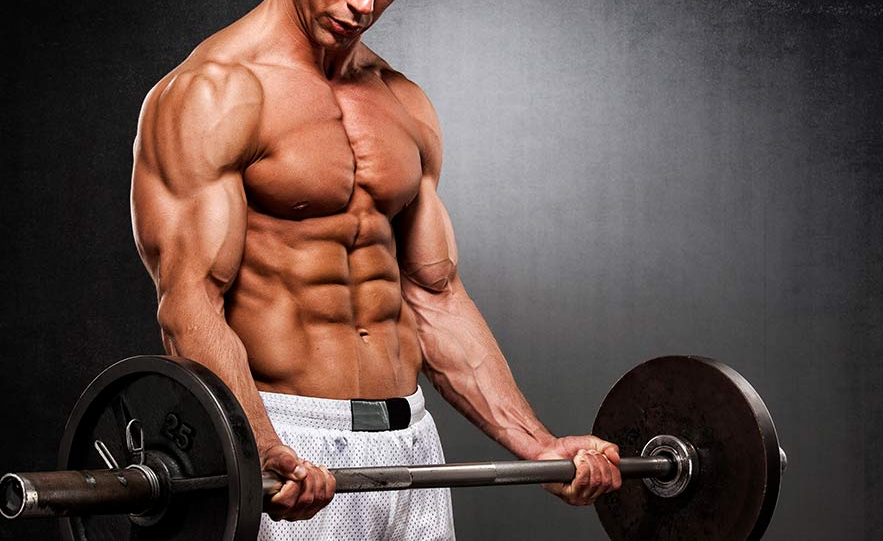
Every lifter walks into the gym with a burning question. Specifically, how many reps do you actually need to build muscle? Furthermore, the fitness industry has debated this topic for decades. Moreover, trainers, coaches, and athletes all offer different answers. Consequently, beginners often feel completely overwhelmed before they even start. Additionally, gym culture loves rigid rules about rep ranges. Therefore, many lifters stick to 8–12 reps without questioning why. However, modern science tells a far more interesting story. Furthermore, the research now challenges nearly every classic rep range myth. Moreover, what truly drives muscle growth goes deeper than a simple number. Additionally, factors like training effort, total volume, and consistency matter enormously. Meanwhile, athletes chasing performance need to understand all of these variables clearly. Therefore, ignoring the science means leaving serious muscle-building results on the table. Finally, decoding rep ranges helps every lifter train smarter and grow faster.
The Classic Rep Range Rules — And Why They Are Incomplete
Traditional resistance training guidelines divide rep work into three neat categories. Specifically, 1–5 reps build strength, 6–12 reps build muscle, and 13-plus reps build endurance. However, recent research strongly challenges this oversimplified model. Moreover, studies now confirm that muscle growth occurs across a much wider rep spectrum. Furthermore, both high-rep and low-rep training produce similar hypertrophy when effort levels stay equal. Consequently, the old "hypertrophy zone" label no longer holds up under scrutiny.
What the Research Actually Says
Research comparing 8–12 rep sets against 25–35 rep sets produced a striking finding. Specifically, both groups gained similar amounts of muscle size after eight weeks. Furthermore, the key variable was not rep count but training effort. Additionally, sets taken close to failure consistently triggered greater muscle growth. Moreover, a PubMed-published study confirmed that muscle growth appears more pronounced when resistance training is progressively overloaded over time. Therefore, adding weight or reps gradually remains one of the most powerful growth strategies available.
Training to Near Failure: The Real Driver
Proximity to failure matters more than the specific rep range used. Furthermore, research indicates that the final three to five reps of a challenging set are most effective for stimulating growth. Consequently, those last hard reps recruit the most muscle fibres efficiently. Moreover, stopping sets too early significantly reduces their muscle-building impact. Additionally, whether you perform six reps or twenty reps, those final grinding repetitions drive adaptation. Therefore, consistently pushing to your limit produces superior results across any rep range.
How to Use Different Rep Ranges Effectively
Smart lifters use multiple rep ranges strategically throughout their training. Specifically, compound lifts like squats, bench press, and deadlifts respond well to lower rep ranges of 5–8. Furthermore, these heavy movements build strength that supports all other training. Additionally, moderate rep ranges of 8–12 work well for most upper- and lower-body exercises. Moreover, higher rep ranges of 15–20 effectively build isolation muscles such as the biceps, triceps, and lateral deltoids. Consequently, rotating across all three ranges across your training week maximises total muscle stimulation.
Total Volume: The Overlooked Growth Factor
Scientific evidence strongly suggests that total training volume drives muscle hypertrophy. Furthermore, volume combines the number of sets, reps, and load lifted in each session. Moreover, consistently increasing total volume over weeks and months produces steady size gains. Additionally, progressive overload remains the non-negotiable foundation of any effective muscle-building programme. Therefore, tracking your weekly volume helps ensure you continually challenge your muscles.
The Bottom Line
No single rep range holds the exclusive key to muscle growth. Furthermore, effort, volume, and progressive overload consistently outweigh the specific rep number chosen. Moreover, training hard and progressing steadily builds far more muscle than obsessing over perfect rep counts. Therefore, focus on challenging your muscles to the point of fatigue in every session. Consequently, combining smart rep range variety with consistent effort produces the physique results you actually want.
Posted in:
Default category
Related posts
-
 Bodybuilding Trends in the UK for 2025
In the UK, bodybuilding trends evolve rapidly. Currently, enthusiasts chase lean mass gains. Many seek more...Read more
Bodybuilding Trends in the UK for 2025
In the UK, bodybuilding trends evolve rapidly. Currently, enthusiasts chase lean mass gains. Many seek more...Read more -
 The Difference Between Our Cutting and Bulking Stacks
When it comes to bodybuilding, the right stack can transform your results. Many athletes choose stacks designed for...Read more
The Difference Between Our Cutting and Bulking Stacks
When it comes to bodybuilding, the right stack can transform your results. Many athletes choose stacks designed for...Read more -
 The Perfect Bulking Meal Plan for UK Athletes
Building muscle requires more than lifting heavy weights. A structured meal plan fuels the process. UK athletes often...Read more
The Perfect Bulking Meal Plan for UK Athletes
Building muscle requires more than lifting heavy weights. A structured meal plan fuels the process. UK athletes often...Read more -
 How Muscle Recovery Works: The Role of Supplements
Different supplements serve different purposes. Some users find that creatine helps with muscle recovery. It helps...Read more
How Muscle Recovery Works: The Role of Supplements
Different supplements serve different purposes. Some users find that creatine helps with muscle recovery. It helps...Read more -
 The History of Steroids in Sports and Bodybuilding
The world of athletics and physique development possesses a profound, intricate history. Many competitors have...Read more
The History of Steroids in Sports and Bodybuilding
The world of athletics and physique development possesses a profound, intricate history. Many competitors have...Read more
Leave a comment